

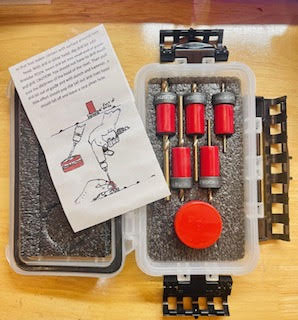
Picking the correct drill bit really makes metal fabrication much smoother and faster. It also helps in making it more precise. The incorrect bit can create very rough holes, overheat very fast, or even wear out before the job is really complete. Your choice of the cutting tool really affects the end outcome, whether you work with steel frames or even stainless steel panels. It even includes the aluminum sheets.
The correct metal fabrication drill bits really help you get very neat holes, maintain precision, and also decrease tool wear. Knowing about the bit materials, point designs, coatings, and also the drilling methods really helps you pick the correct option for each of the metalworking tasks.
What Makes a Drill Bit Suitable for Metal Fabrication?
Metal drilling needs a lot of strength, heat resistance, and also very reliable cutting performance. The best pick depends on the material, hole size, metal thickness, and also the frequency of use. When checking drill bits for metal, really focus on the three very essential features.
Bit Material
High speed steel (HSS) bits provide a very practical equilibrium of the durability, flexibility, and also the affordability. They suit a lot of very general fabrication jobs, especially when you work with mild steel and also aluminum.
Cobalt alloy bits provide much better heat resistance and also really suit the tougher metals, including stainless steel. Carbide bits provide excellent hardness for demanding production work, although they need very suitable equipment and also proper handling.
Your material choice directly affects the cutting life and also the hole quality. A suitable bit also decreases the need for very frequent replacements.
Point Geometry
The cutting point really determines how easily a bit starts a hole and also removes the material. A very conventional point suits a lot of general tasks, and a split point really helps decrease wandering on smooth metal surfaces.
A very well-designed point improves the precision and also decreases the pressure needed to really begin drilling. For repetitive fabrication work, the feature very much helps keep a very consistent hole placement.
Coatings
Coatings improve the wear resistance and also decrease the friction. It also helps in heat management, depending very much on their composition.
- Titanium nitride (TiN): Improves the surface hardness and also the wear resistance.
- Black oxide: Provides some corrosion resistance and also really helps to retain the cutting lubricant.
- Cobalt alloy construction: Improves the heat resistance throughout the cutting material rather than just acting as a surface coating.
Pick the coatings according to your workload and also the base bit material. A coating alone does not really make a bit very suitable for each metal.
Matching Bits to Metals
Each metal responds very differently to the cutting pressure, friction, and also the heat. Matching the bit to the workpiece really helps you get much neater holes and also more reliable outcomes.
Mild and Carbon Steel
Mild and carbon steel are very basic materials in frames, brackets, supports, and general fabrication. Good quality HSS bits handle a lot of routine jobs, while the cobalt options suit much more demanding work.
When checking the best drill bits for steel, you should really consider the steel grade, thickness, and also the drilling frequency. A split point design really helps the bit start very precisely, while the proper lubrication restricts the heat buildup.
Use a very stable workpiece and also a steady pressure. A lot of force does not really improve the cutting performance and can also damage the cutting edges.
Stainless Steel
Stainless steel needs proper drilling because it really generates heat and can also harden locally when the cutting action becomes much too slow or even inconsistent.
Cobalt alloy bits are a very strong pick for a lot of stainless steel applications. Suitable HSS drill bits for metal also work for much lighter tasks when their specifications really match the material.
Use a very controlled speed, firm feed pressure, and a suitable cutting lubricant. Prevent the bit from spinning against the surface without really cutting, as the friction can make the material much harder to drill.
Aluminum and Thin Sheet Metal
Aluminum is much softer than the steel but its tendency to very much form the sticky chips can really complicate the drilling. Sharp cutting edges and also the productive chip removal really help produce very neat holes.
For thin panels, the drill bits for sheet metal fabrication should provide very controlled cutting and also precise starting. Step bits are very useful for creating a lot of different hole diameters in the thin sheet material without really changing the bits very repeatedly.
Support the thin sheets very securely to really restrict vibration and also distortion. Remove the chips regularly and also use a lubricant very suitable for aluminum when really needed.
Point Angle and Flute Design
The point angle and also the flute shape greatly influence how a bit really starts cutting, clears the chips, and also maintains the hole precision. The features matter very much when you move between a lot of different metals and thicknesses.
118 Degree vs. 135 Degree Split Point
A 118-degree point suits a lot of very general drilling applications, particularly in the much softer metals and routine workshop tasks. It provides a very versatile cutting geometry for everyday use.
A 135-degree split point provides a much flatter cutting angle and also helps decrease walking when starting on smooth or much harder materials. It is very often useful for steel and stainless steel.
As part of your drill bit material guide, you should remember the point angle alone really does not determine the performance. Bit material, sharpness, cutting speed, and also the workpiece hardness also very much influence the outcome.
Jobber and Stub and Long Length Bits
Bit length really affects the rigidity, reach, and also the access.
- Jobber bits: Provide a very useful equilibrium of length and even the versatility for general fabrication.
- Stub bits: Provide much greater rigidity and also suit very precise drilling where the access is really restricted.
- Long length bits: Reach much deeper locations or even recessed work areas but need much better alignment to prevent deflection.
Pick the shortest bit that comfortably reaches the drilling location. Shorter bits generally provide much better control and also resist bending much more effectively.
Speed, Feed and Lubrication Basics
The correct drilling method really protects both your bit and also your workpiece. Metal hardness, bit diameter, and also the cutting material very much determine the appropriate speed and feed.
Use the lower spindle speeds for the much larger bits and also the harder metals. Smaller bits and softer materials very often allow much higher speeds, provided the tool and also the manufacturer specifications allow them.
Apply very steady pressure so the cutting edges really remove the material instead of just rubbing against the surface. Too much pressure can really break the bit, while very little pressure can create a lot of heat.
Lubrication decreases the friction and also helps control the cutting temperatures. Pick a cutting fluid very appropriate for the metal and also the clear chips when really necessary. Secure the workpiece even before drilling, wear very suitable eye protection, and also remove the loose chips with a brush rather than just your fingers.
For the split point drill bits, proper alignment and a stable starting surface really improve the precision. Even a very high-quality bit performs poorly when the workpiece moves or even the cutting edges become very dull.
Specialty Bits for Fabrication Shops
Specialty tools improve productivity when the standard twist bits do not really suit the job. Picking the correct tool really helps decrease the unnecessary drilling steps and also improves hole consistency.
Step Bits and Annular Cutters
Step bits create a lot of hole sizes in thin sheet metal. Their stepped profile helps in controlled enlargement, making them very useful for panels, enclosures, and also light fabrication.
Annular cutters remove the material around the perimeter of the hole instead of really cutting the entire center into chips. They suit much larger holes in compatible equipment and are very appropriate for metal thicknesses.
Check the tool compatibility, workpiece thickness, and also the operating needs of the manufacturer before even picking either option.
Rivet Removal Bits for Sheet Metal Repair
Removing the rivets without really damaging the surrounding sheet metal needs precision. Rivet removal bits help target the rivet head while also limiting unnecessary contact with the panel.
Pick the correct diameter and also keep the bit very much centered on the rivet. Use the controlled pressure and a very stable workpiece to decrease the risk of enlarging the original hole.
For repair work, the objective is very easy: remove the fastener neatly while also preserving the surrounding metal for the next assembly step.
Buying Guide: Sets vs. Individual Bits
Your buying decision really depends on the variety of work you handle and also how frequently you use each size.
A drill bit set suits the general fabrication because it provides a lot of diameters in just one organized package. It provides flexibility when the jobs involve a lot of different fasteners, hole sizes, and also sheet thicknesses.
Individual bits make much more sense when you frequently use very specific diameters or even need the specialized materials for demanding applications. Replacing the worn sizes individually can also decrease unnecessary spending.
Before even purchasing the metal fabrication drill bits, you should check the diameter range, shank compatibility, material specifications, point design, and also the storage arrangement. Consider if the set includes suitable options for steel, stainless steel, and also aluminum rather than just assuming one bit handles each material equally well.
Inspect the cutting edges regularly and also replace the damaged bits very quickly. Proper storage, tidying, and also the suitable operating speeds help increase the tool life and also keep the consistent outcomes.
Choose the Right Bit for Cleaner Metalwork
Successful fabrication depends on matching the cutting tool to the material and also the drilling conditions. HSS bits handle a lot of everyday tasks, cobalt alloy options help in demanding steel applications, and also the step bits provide control for thin sheets. Point geometry, lubrication, and the correct speed also really influence the hole quality.
The correct metal fabrication drill bits really help you improve precision, decrease tool wear, and also complete jobs with much greater confidence. Check out the drill bit selection at Loyd’s Rivet Drill Guide to check the options for your workshop and pick the tools matching your metalworking needs.
Find the Right Drill Bits for Your Next Project
Make your next fabrication job very easy with the drill bits suited to your material, hole size, and also the working conditions. Browse the selection at Loyd’s Rivet Drill Guide and check the available options, then pick the correct tools for neat and precise drilling.
Contact us by calling (713) 855-1120 or emailing aerotoolco@gmail.com to start with the metal you work with most often, then pick the bit material and point design that best fit your needs.
 Account
 Categories
 Car filter
 Search
 Top